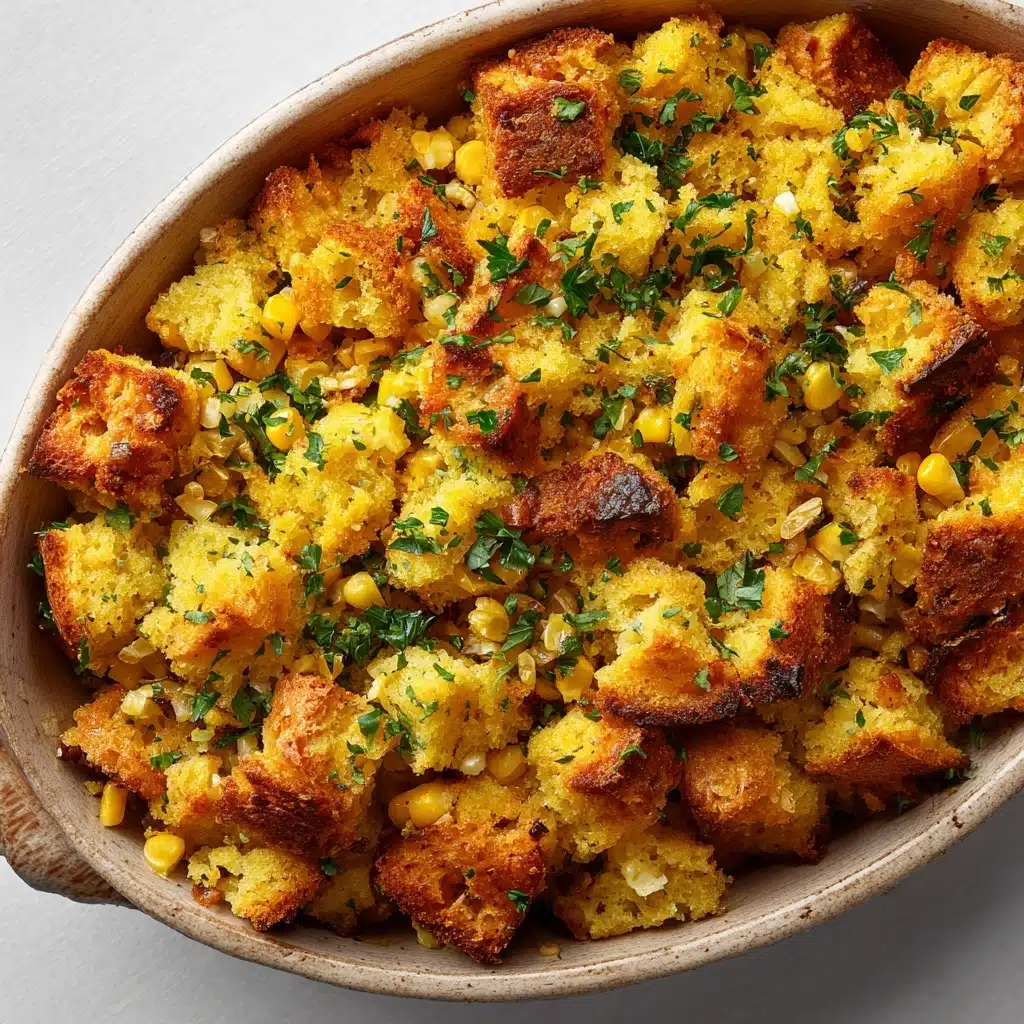
Your Guide to Comforting Southern Cornbread Dressing at Home
There are certain aromas that instantly transport you to cherished memories, and for many, the rich, savory scent of freshly baked southern cornbread dressing is chief among them. It’s more than just a side dish; it’s a warm embrace, a culinary time machine that conjures images of bustling holiday kitchens, laughter-filled family gatherings, and the unparalleled comfort of home. While synonymous with Thanksgiving and Christmas tables across the South, this golden-brown pan of tender, flavorful goodness is a welcome addition to any meal, anytime you crave a little soul-soothing deliciousness.
For those unfamiliar with this Southern culinary cornerstone, southern cornbread dressing stands distinct from its Northern cousin, bread stuffing. Baked separately in a casserole dish, it develops a perfectly custardy interior and a slightly crisp, golden top, offering a unique texture and depth of flavor that defines Southern hospitality. It’s a dish steeped in tradition, passed down through generations, with every family boasting its own subtle variations – yet all unified by that unmistakable taste of heritage and comfort.
The Heart of Southern Hospitality: What Makes Southern Cornbread Dressing Unique?
At its core, southern cornbread dressing is a celebration of simple, wholesome ingredients elevated to extraordinary heights. Unlike traditional bread stuffing, which relies primarily on cubed white bread, Southern dressing places cornbread firmly at center stage. This choice isn't just a matter of preference; it imbues the dish with a distinct sweetness and nutty flavor profile, a coarse yet tender crumb, and a depth that other breads simply can't replicate. The preference for cornbread also stems from historical pragmatism; for generations, cornbread was a staple in Southern households, making it a thrifty and readily available foundation for a comforting casserole.
The magic truly happens when crumbled cornbread (often mixed with a touch of toasted regular bread for added body and texture), is combined with a fragrant medley of sautéed aromatics like onions and celery. These are typically simmered in butter until tender, releasing their sweet essence. The quintessential herb for southern cornbread dressing is sage, its earthy, warming notes weaving through every bite and creating that instantly recognizable holiday aroma. Rich chicken or vegetable broth provides moisture, while beaten eggs act as a binder, transforming the mixture into a luscious, savory custard as it bakes. This careful combination yields a dressing that is moist, rich, and deeply savory, embodying the very essence of Southern comfort cooking.
Dressing vs. Stuffing: A Key Distinction
One of the most crucial points of clarification when discussing this beloved dish is the difference between "dressing" and "stuffing." While the terms are often used interchangeably in some regions, in the South, they denote a clear distinction in preparation and, often, safety. Dressing, by definition, is baked in a casserole dish outside of the main protein (like a turkey). Stuffing, as its name implies, is cooked inside the bird.
Beyond regional preference, there's a practical and important food safety reason for this distinction. Food safety experts highly recommend baking stuffing separately from the bird, especially if it contains raw eggs. A large bird can reach the safe internal temperature of 165°F in its breast and thighs while the stuffing tucked inside may still be dangerously undercooked, posing a risk of foodborne illness. Baking your southern cornbread dressing in its own dish ensures it cooks evenly, allowing you to achieve that perfect golden-brown crust and tender, custardy interior without any food safety concerns. This dedicated cooking time means your dressing receives the attention it deserves, emerging from the oven with ideal texture and flavor. To dive deeper into this culinary debate, explore Southern Cornbread Dressing: Why it's Better Than Stuffing.
Beyond Thanksgiving: Embracing Southern Cornbread Dressing Year-Round
While the holiday table is where southern cornbread dressing truly shines, proclaiming it solely a Thanksgiving or Christmas dish would be a disservice to its versatility. Its ability to evoke a sense of warmth and belonging makes it a perfect candidate for year-round enjoyment. Imagine it alongside a roasted chicken for a Sunday supper, or as a hearty accompaniment to baked ham or even crispy fried pork chops. Its comforting nature makes it ideal for chilly evenings or simply when you need a little pick-me-up.
Historically, the economical aspect of southern cornbread dressing also contributed to its widespread appeal. Using homemade cornbread, often made from inexpensive cornmeal, and supplementing it with other accessible ingredients like celery, onions, and broth, made it a satisfying and budget-friendly meal. This thrifty ingenuity is part of its enduring charm and why many Southerners came to prefer it over more elaborate bread stuffings. You can even transform leftover cornbread into a delightful casserole, enriched with a few eggs and sautéed vegetables, showcasing its incredible flexibility.
Mastering the Art: Tips for Perfect Southern Cornbread Dressing
Achieving that iconic, perfectly seasoned, and moist southern cornbread dressing is an art form, but one that is surprisingly easy to master with a few key insights. Here are some actionable tips to guide you:
The Foundation: Your Cornbread Matters
- Homemade is Best: While store-bought cornbread can work in a pinch, making your own allows you to control the flavor and texture. A traditional Southern-style cornbread (less sweet, often cooked in a cast iron skillet) is ideal.
- Dry Cornbread is Key: Don't use fresh, moist cornbread. Day-old, slightly stale, or even lightly toasted cornbread crumbles are perfect. Drier cornbread acts like a sponge, soaking up all the delicious broth and seasonings without becoming mushy or heavy. If your cornbread is too fresh, you can crumble it and spread it on a baking sheet, then toast it lightly in a low oven (around 250°F) for 15-20 minutes to dry it out.
- Consider Cornbread and Bread Combo: Many classic recipes, as referenced, use a combination of crumbled cornbread and toasted regular bread (like white sandwich bread). This adds another layer of texture and helps create a less dense dressing.
Achieving the Perfect Moisture and Texture
- Don't Skimp on Butter: Butter is crucial for flavor and moisture. Use good quality butter to sauté your aromatics and consider melting a little extra to drizzle over the top before baking.
- Broth is Your Friend: Use a flavorful chicken or turkey broth. Add it gradually, mixing until the cornbread crumbles are thoroughly moistened but not swimming. The mixture should be wet enough to hold together when squeezed but not soupy. The eggs will further bind it as it bakes.
- The Role of Eggs: Eggs are vital for that tender, custardy texture that sets Southern dressing apart. They bind the ingredients and create a rich, savory custard. Don't omit them!
Flavor Layering and Seasoning
- Sauté Aromatics Thoroughly: Cook your diced onions and celery until very tender and translucent. This softens their flavor and brings out their natural sweetness.
- Sage is Essential: Fresh or dried, sage is non-negotiable for that classic Southern flavor profile. Don't be shy, but balance it with other herbs like thyme and parsley for complexity.
- Taste and Adjust: Before adding the eggs, taste your dressing mixture. This is your chance to adjust salt, pepper, and herbs. Remember that the flavors will meld and intensify slightly during baking.
Make-Ahead Magic
One of the beauties of southern cornbread dressing is its make-ahead potential, making it an ideal candidate for holiday meal prep. You can bake your cornbread several days in advance. You can also prepare the entire dressing mixture, assemble it in your casserole dish, cover it, and refrigerate it for up to 24 hours before baking. This makes Thanksgiving or any large gathering much less stressful, as the dressing can bake while you focus on other sides or your main course. For more traditional recipes and tips, check out Classic Southern Cornbread Dressing: A Holiday Table Must-Have.
Conclusion
From its humble origins to its revered status on holiday tables and beyond, southern cornbread dressing is a dish that truly embodies comfort, tradition, and ingenuity. It's an easy-to-make, inexpensive crowd-pleaser that delivers on flavor and nostalgia every time. With its distinct cornbread base, savory herbs, and tender, custardy texture, it offers a uniquely Southern experience that transcends mere sustenance, becoming a cherished memory on a plate. So, whether you’re planning a festive holiday feast or simply yearning for a taste of home on a regular weeknight, embrace the art of making this iconic dish and let its comforting aroma fill your kitchen and your soul.
