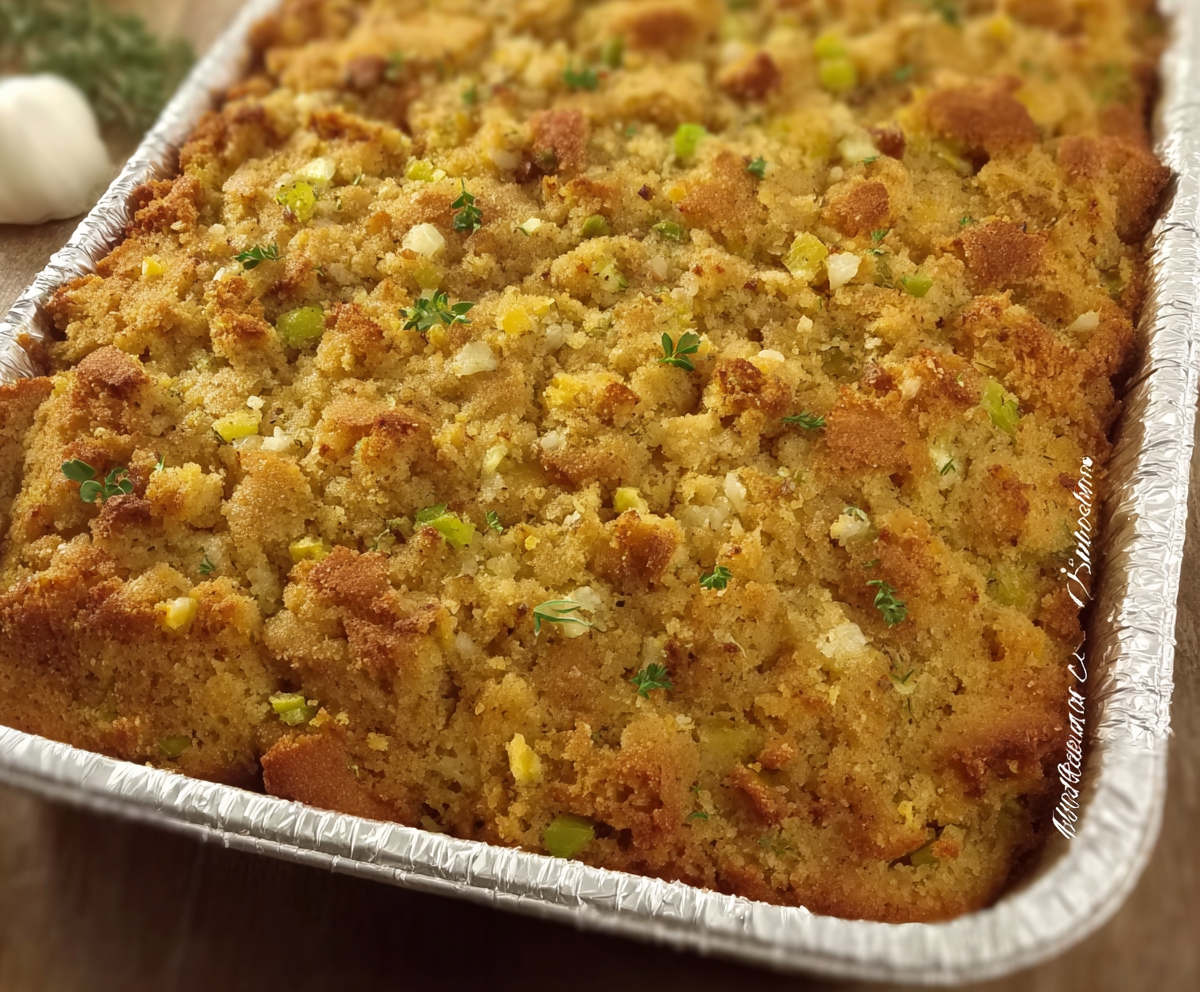
Classic Southern Cornbread Dressing: The Unmistakable Heart of the Holiday Table
Few dishes evoke the warmth and nostalgia of a Southern holiday quite like a pan of golden, aromatic southern cornbread dressing. As the seasons shift and the air grows crisp, the anticipation for those cherished family gatherings invariably turns to thoughts of beloved recipes passed down through generations. And at the very top of that list, a rich, savory, and deeply comforting cornbread dressing stands as an undisputed holiday table must-have. It’s more than just a side dish; it’s a culinary embrace, a tangible link to heritage, and the very essence of "down home" comfort.
Imagine the scent of toasted cornbread, fragrant sage, and tender vegetables filling your home, promising a feast for the senses. This isn't just about feeding hungry bellies; it's about feeding the soul with tradition and good memories. While often hailed as the star alongside a roasted turkey at Thanksgiving, the truth is, a perfect pan of southern cornbread dressing is welcome anytime you crave a taste of home and a moment of culinary contentment.
The Heart and Soul of Southern Holidays
In the Southern United States, the distinction between "dressing" and "stuffing" is not merely semantic; it's a deeply ingrained culinary tradition. For many, stuffing—baked inside the bird—is simply not an option. Instead, the focus shifts entirely to the glorious casserole baked separately, known universally as dressing. This method not only ensures superior texture and safety but also elevates the dish to its own standalone masterpiece. From grand Thanksgiving feasts to festive Christmas dinners and even comforting Sunday family meals, southern cornbread dressing holds a revered place.
What makes this particular dish so iconic? It’s the meticulous balance of simple, yet profound ingredients. Crumbled cornbread forms the foundation, often complemented by a bit of regular toasted bread for added texture. This golden base is then enriched with sautéed aromatics like sweet onions and crisp celery, brought together with the lusciousness of butter and savory broth. Beaten eggs act as the binder, creating that signature tender, custardy interior, while a generous hand with warming herbs, especially sage, imbues it with an unforgettable flavor profile. The result is a dish that's both moist and flavorful, with a tantalizingly crisp, golden-brown top—a texture combination that simply cannot be achieved when cooked inside a turkey.
Every Southern cook cherishes their own version, a recipe likely perfected over decades and passed down through the family. These variations often reflect subtle regional differences or personal touches, but the core essence remains the same: a celebration of rich, savory comfort. For a deeper dive into why Southerners traditionally prefer dressing, you might find our article Southern Cornbread Dressing: Why it's Better Than Stuffing particularly insightful.
Crafting Your Own Classic Southern Cornbread Dressing
Creating an authentic southern cornbread dressing is a rewarding process that's surprisingly straightforward. The beauty lies in its humble origins and the way simple ingredients transform into something truly extraordinary. Here's a breakdown of the key elements and some expert tips to ensure your dressing is nothing short of spectacular:
- The Cornbread Base: This is arguably the most critical component. For the best results, use homemade cornbread that isn't too sweet. Many Southern purists opt for a savory, skillet-baked cornbread. Day-old or slightly dried-out cornbread is actually preferred, as its drier texture readily absorbs the flavorful liquids without becoming soggy. You can even bake your cornbread a day or two ahead of time, allowing it to naturally dry out and become perfectly crumbly.
- Aromatics and Fat: The foundation of flavor begins with patiently sautéing finely diced onions and celery in plenty of butter. This step develops a rich, savory base that permeates every bite of the dressing. Some cooks also add bell peppers or garlic for extra depth.
- The Binding and Liquid: Broth (chicken or turkey) provides moisture and flavor, while beaten eggs bind the crumbled cornbread and other ingredients together, ensuring that desired custardy consistency. Don't be afraid to add enough liquid; the cornbread will absorb it beautifully.
- Herbs and Seasoning: Sage is the star herb here, delivering that unmistakable classic dressing flavor. Thyme, rosemary, and black pepper are also common additions. Taste and adjust your seasoning before baking, remembering that the flavors will meld and intensify.
Pro Tip for Perfection: Don't rush the process. Sauté your vegetables until they are tender and translucent, allowing their natural sweetness to develop. When mixing, ensure all the cornbread crumbles are thoroughly moistened. This prevents dry pockets and ensures a consistently tender texture throughout. For a comprehensive walkthrough and specific quantities, consider exploring Your Guide to Comforting Southern Cornbread Dressing at Home.
Beyond the Holiday Table: Versatility and Comfort Anytime
While southern cornbread dressing is synonymous with holiday feasts, it's a dish that deserves to be enjoyed far more often. Its inherent comfort food status makes it a perfect accompaniment to a variety of meals throughout the year. Imagine it alongside a succulent roast chicken on a chilly Sunday, a baked ham for a casual family gathering, or even as a hearty side to simple fried pork chops. Its versatility is truly one of its unsung heroes.
Historically, the preference for cornbread dressing in the South also had practical roots. Cornbread itself is an economical staple, and transforming leftovers into a rich casserole with a few eggs and inexpensive sautéed vegetables was a smart and satisfying way to stretch a meal. This thrifty ingenuity contributes to its timeless appeal, proving that the most comforting dishes often come from the simplest ingredients and a little bit of culinary creativity.
Why Dressing Reigns Supreme: Flavor, Texture, and Safety
The choice to bake southern cornbread dressing in a separate dish, rather than stuffing it into a turkey, is not just about tradition; it's a decision rooted in both culinary excellence and food safety. Food safety experts have long advised against cooking stuffing inside the bird, particularly when it contains raw eggs. The risk arises because a large bird often reaches its safe internal temperature (165°F) in the breast and thighs while the stuffing inside might still be dangerously undercooked, creating a potential hazard for foodborne illness.
Baking your dressing in a casserole dish eliminates this concern entirely. It allows you to ensure the dressing reaches its optimal internal temperature safely and consistently. More importantly for the connoisseur, baking it separately gives the dressing the attention it truly deserves. You can achieve that perfectly set, custardy interior and develop a magnificent golden-brown crust on top that stuffing simply cannot replicate. The even heat distribution in a casserole dish allows for a superior texture that is moist throughout, yet holds its shape, providing that delightful contrast of a tender inside and a slightly crisp exterior.
Conclusion: A Timeless Tradition Worth Savoring
The allure of classic southern cornbread dressing is undeniable. It's a dish that transcends mere sustenance, offering a powerful connection to family, tradition, and the comforting flavors of home. From its humble origins to its revered status on holiday tables, this tender, savory masterpiece embodies the heart of Southern hospitality. Whether you're a seasoned Southern cook or looking to introduce this beloved tradition to your own table, taking the time to prepare this iconic dish will undoubtedly fill your home with irresistible aromas and create lasting memories. So, gather your ingredients, savor the process, and prepare to delight in a true holiday table must-have that will bring comfort and joy for generations to come.
